
How Long Will a Power Station Run a Refrigerator?
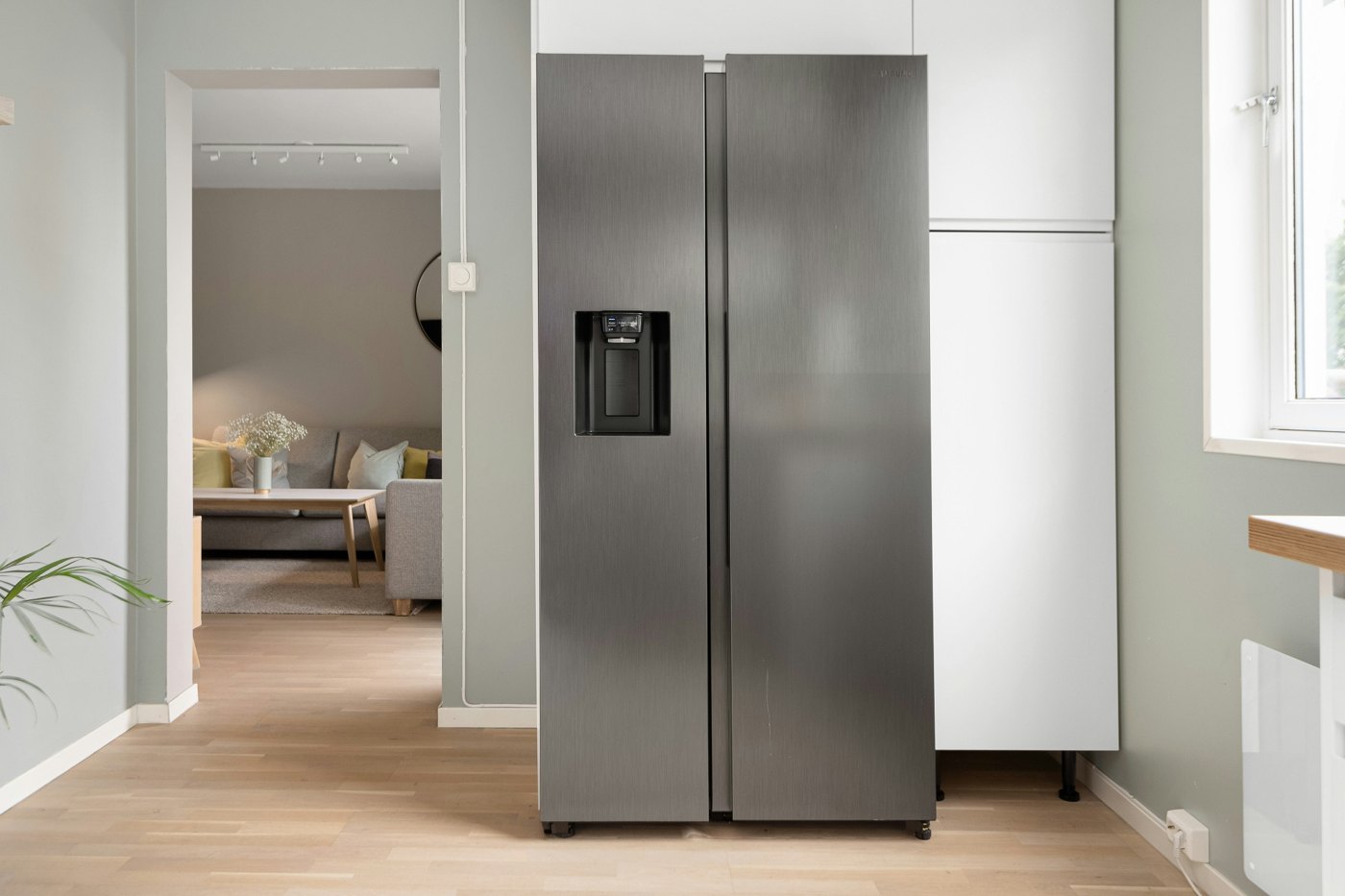
Photo by Lisa Anna on Unsplash
Refrigerator runtime is one of those questions that sounds simple until you try to answer it honestly. The same power station might feel useful with one fridge and disappointing with another.
Battery size matters, but so do compressor cycling, room temperature, door openings, and whether the battery is also supporting other devices during the outage.
What changes runtime most in real life?
Battery size is the obvious answer, but it is not the only one. Temperature, door openings, compressor cycling, and whether the router or lights are also on the same battery all change the result. That is also why a 1kWh-class product can feel fine in one house and frustrating in another.
Current 2kWh-class units like Jackery’s Explorer 2000 v2, EcoFlow’s DELTA 3 Max, and BLUETTI’s Elite 200 V2 are where this guide gets much more comfortable, because the battery size stops feeling like a constant negotiation.
Why runtime comfort matters more than runtime math alone
A smaller battery can still technically support a refrigerator for a useful stretch, but the experience feels very different once readers add uncertainty. That is where larger battery classes start feeling better. The less the reader has to micromanage every extra watt, the more the backup setup is doing its job.